
Facilitation
Hold a clear purpose without forcing the answer. Create space for different perspectives, help the group work with tension and complexity, and keep ownership of the outcome with the people doing the work.
Facilitation
Jim designs learning and working sessions that meet people where they are, draw out what they already know, and help them carry something useful into what happens next.
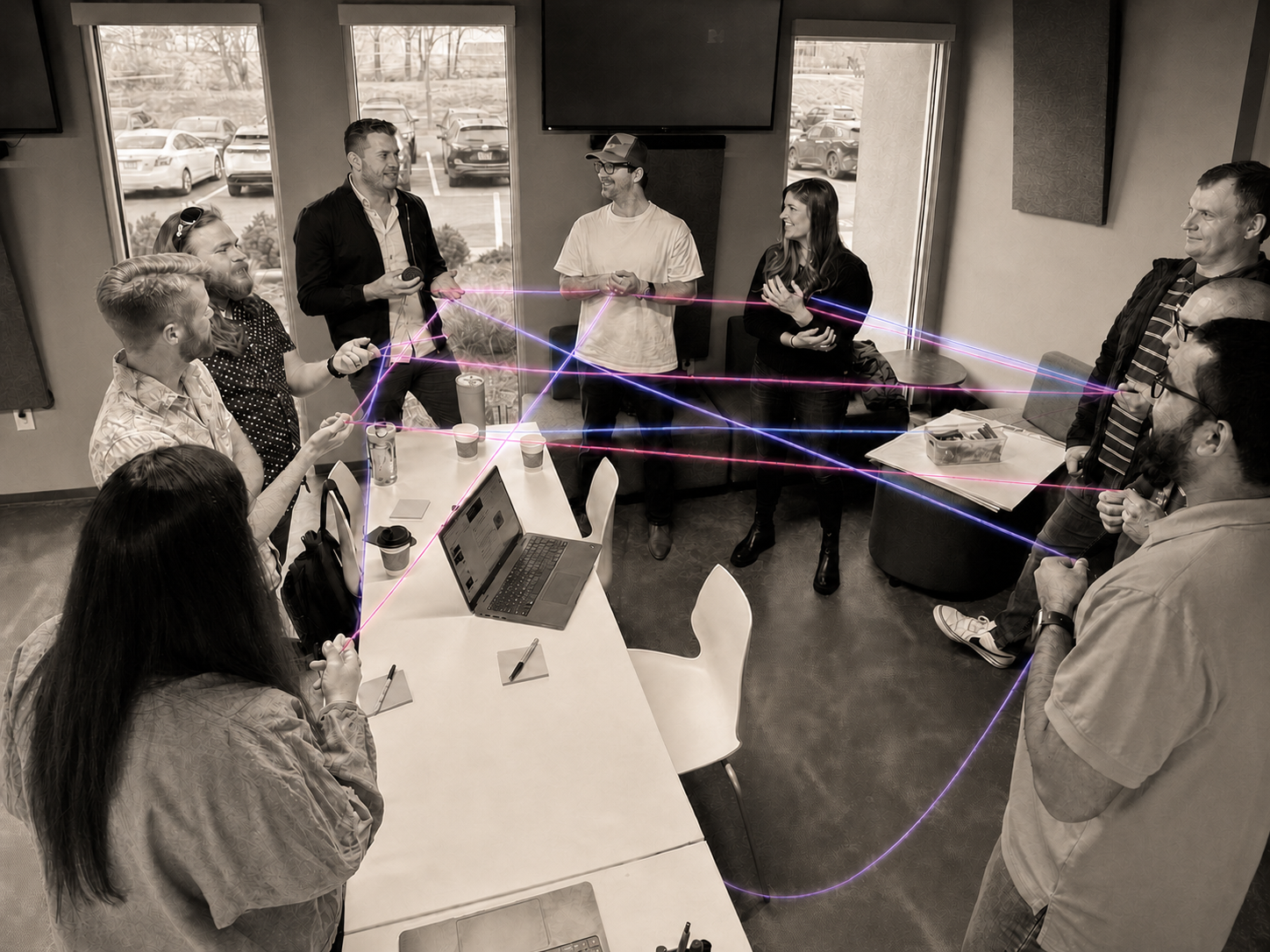 String Theory
More than running the room
A useful session is not measured by how busy the room felt or how much content was covered. It is measured by what people can understand, decide, practise, or do differently afterward.
Hold a clear purpose without forcing the answer. Create space for different perspectives, help the group work with tension and complexity, and keep ownership of the outcome with the people doing the work.
Work backward from what learners need to be able to do. Connect the topic to what they already know, introduce concepts in useful pieces, and let people practise, explain, reflect, and decide how they will apply the learning.
Shape the flow, activities, timing, and environment around the people in the room. Build enough structure to support progress, while leaving enough space to respond to what actually happens.
Participation with purpose
People participate more fully when they understand why they are there, how they will work together, and what is genuinely theirs to influence. The activity is never the point. It is there to surface information, test assumptions, deepen shared understanding, or help the group make a choice.
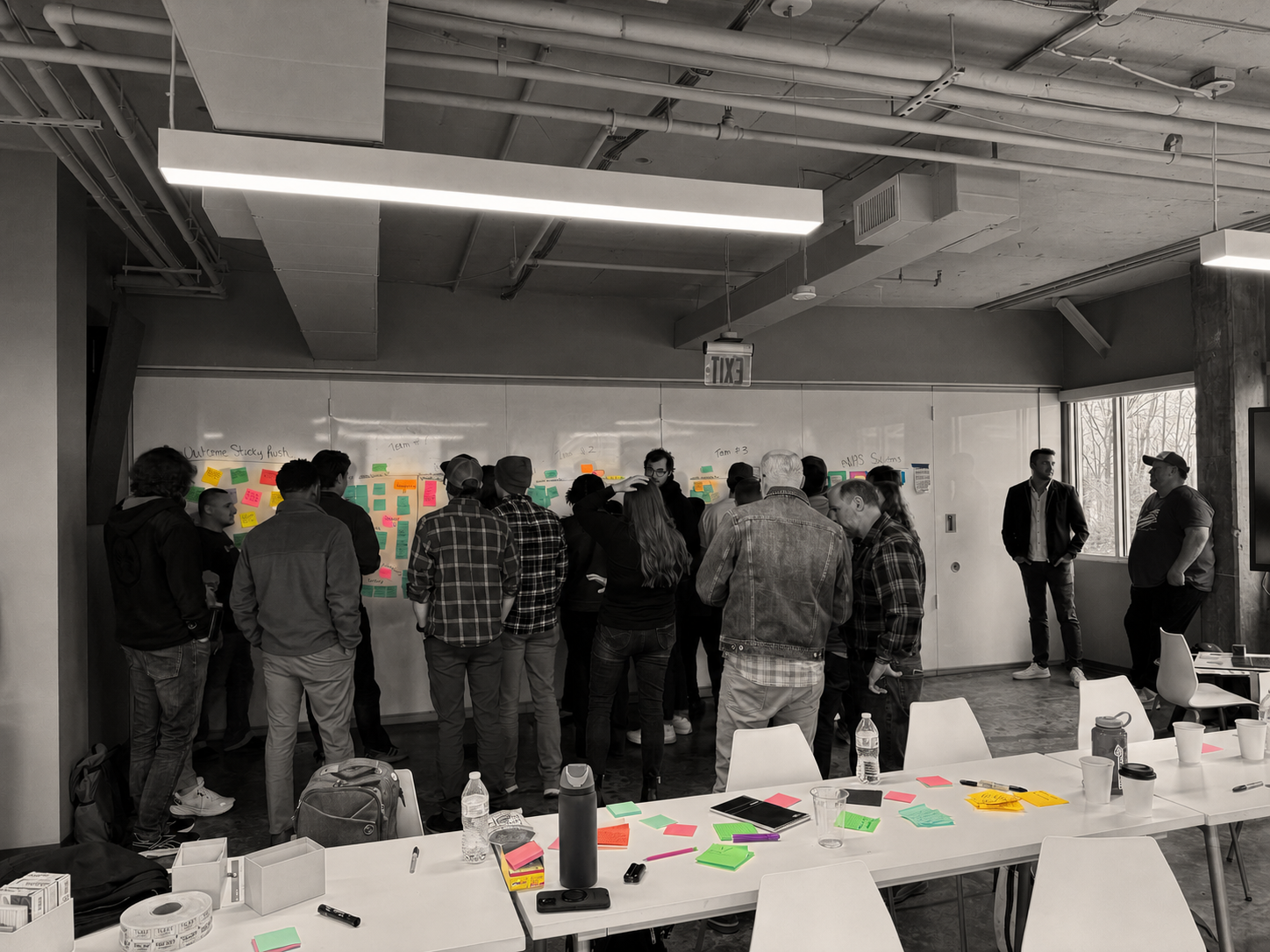 Energy Levels Retro
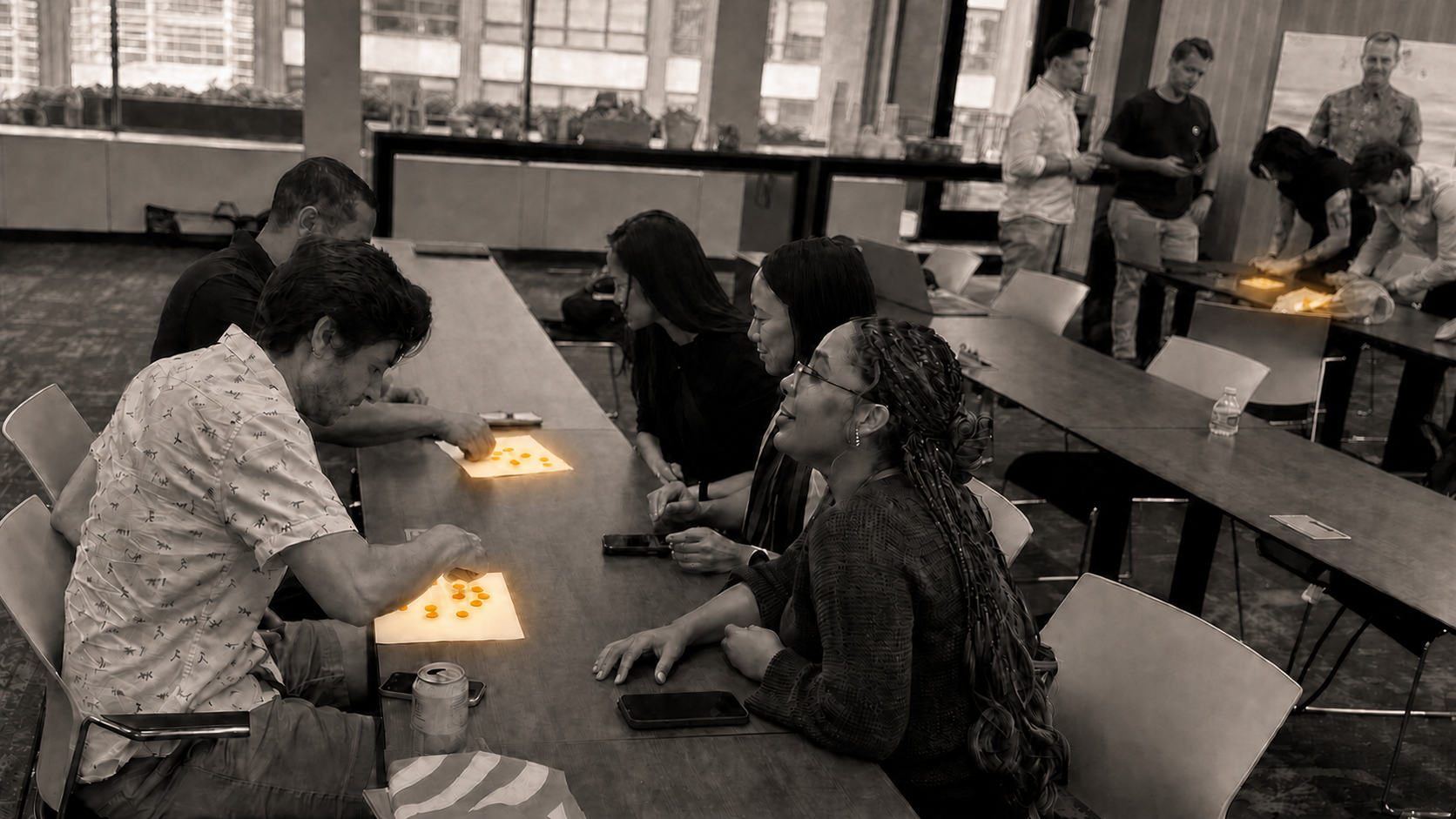 The Penny Game
How Jim creates space
Creating space is active work. It means giving people enough clarity and structure to begin, then paying close attention to what they need as the work unfolds.
Jim starts by understanding the outcome, the people involved, and what is genuinely open for them to influence. In the room, he listens for different perspectives, notices the energy and tension, and makes thoughtful adjustments without taking the work away from the group.
Sometimes people need a clear explanation. Sometimes they need time to try something, compare experiences, or sit with a better question. Sometimes the most useful move is a pause. The approach changes, but the purpose stays clear.
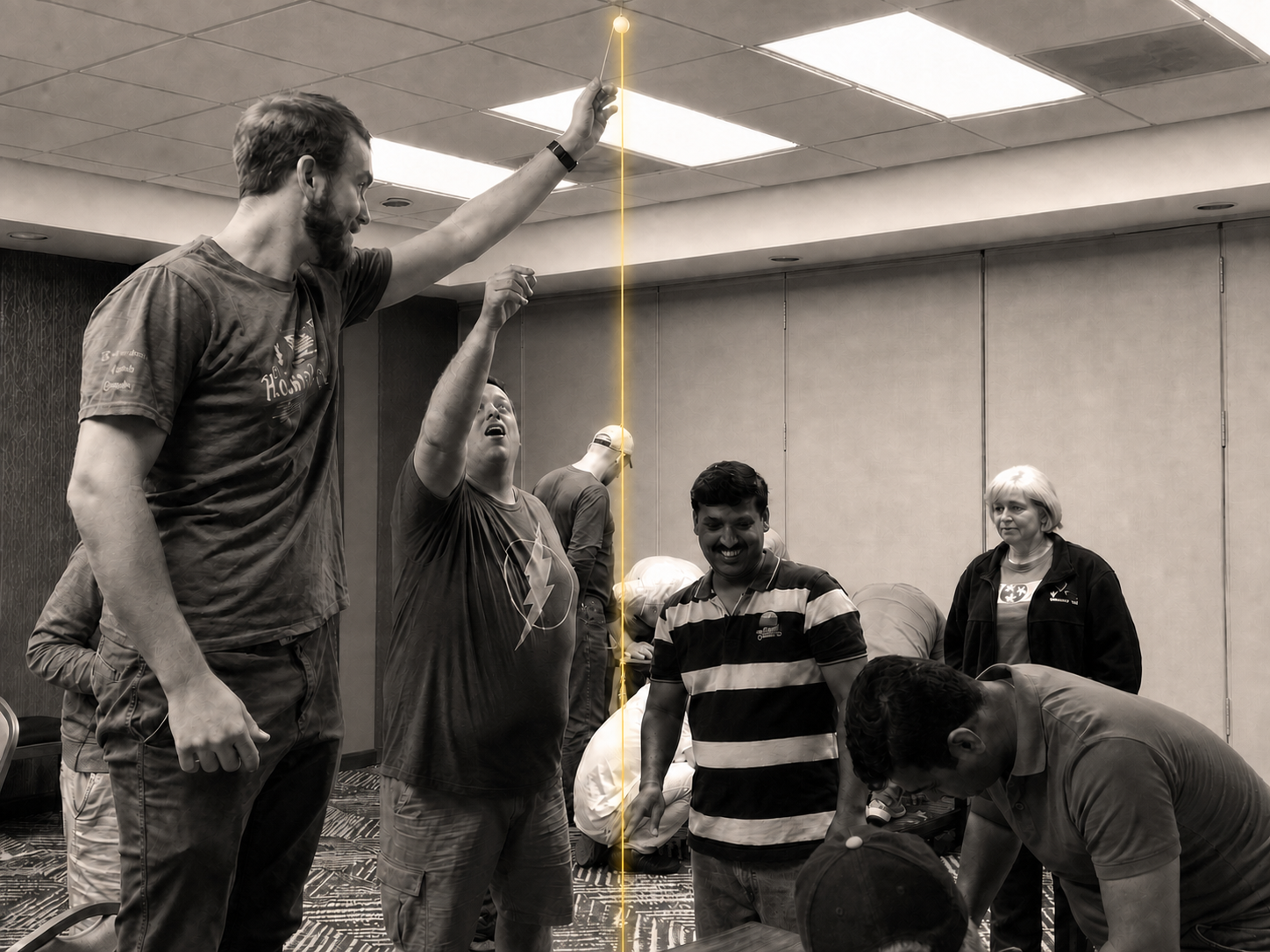 Spaghetti Tower Challenge
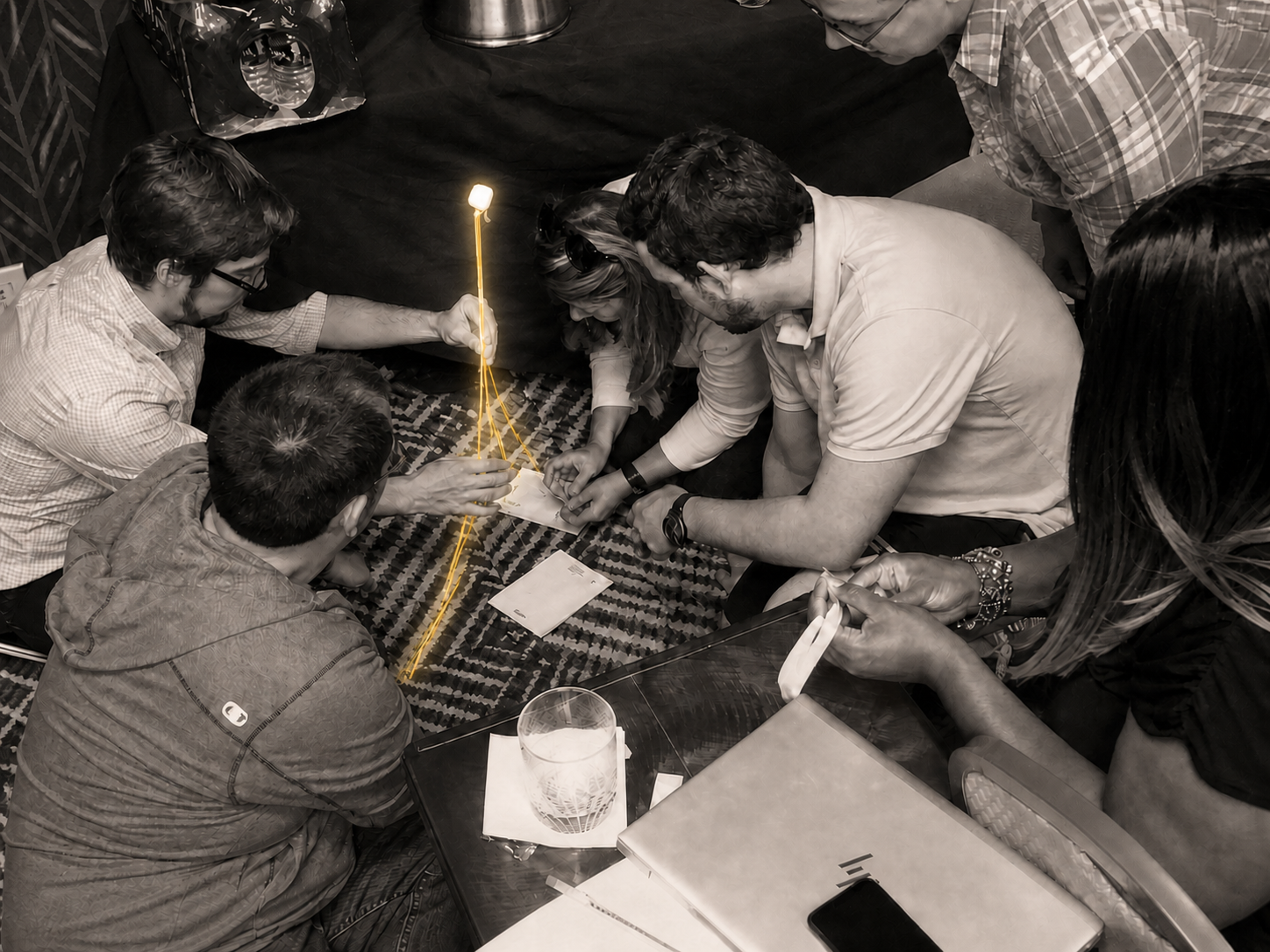 Spaghetti Tower Challenge
What this can look like
Not every challenge needs a workshop, and not every lesson belongs in a slide deck. Jim shapes the format around the people, the outcome, and what needs to happen after the room empties.
Carefully held conversations for strategy, alignment, planning, retrospectives, decisions, and issues a team can no longer work around.
Purpose-built experiences that help teams see patterns, work with differences, strengthen relationships, and change how they work together.
Interactive teaching for leaders, coaches, product people, and teams, with time to practise, receive feedback, reflect, and apply the learning in context.
We can start with the outcome and shape the right experience from there.